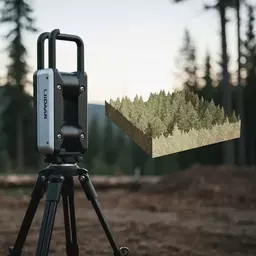
Understanding LiDAR Scanning Basics
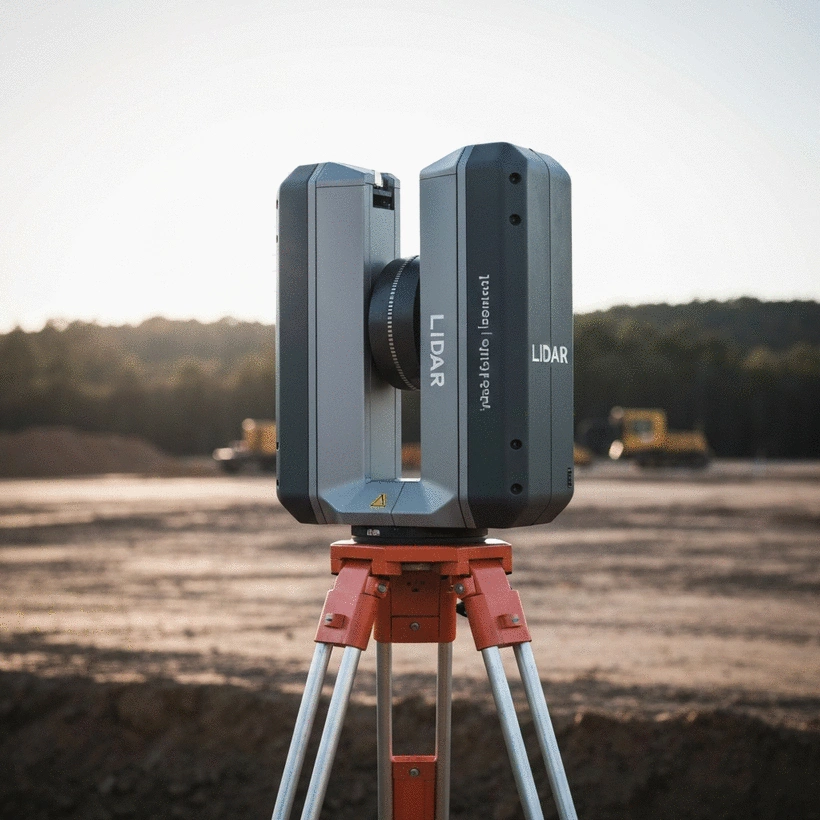
As urban landscapes evolve, understanding the tools that drive these changes becomes crucial. One such transformative technology is LiDAR, which offers a revolutionary approach to spatial data collection and analysis. What can this powerful tool do for you?
What You Will Learn
- LiDAR stands for Light Detection and Ranging, utilizing laser pulses to create precise 3D maps of terrain and structures.
- The LiDAR process involves three key steps: data acquisition, processing, and analysis, each essential for producing accurate spatial data.
- Investing in professional LiDAR scanning services offers high-resolution data, speed, and the ability to access hard-to-reach areas safely.
- Understanding the return on investment (ROI) of LiDAR can lead to improved project efficiency and reduced costs in urban planning and development.
- LiDAR technology plays a vital role in civil infrastructure, enhancing site analysis, urban design, and public safety through improved data accuracy.
LiDAR Scanning Process and Benefits
LiDAR Scan offers precise spatial data for various applications. Below is a visual representation of its core process and compelling benefits.
LiDAR Scanning Process Flow
Key Components of LiDAR
- • Sensors: Measure pulse return time.
- • Data Acquisition: Captures data (aerial/terrestrial).
- • Processing: Transforms raw data to insights.
Benefits of Professional LiDAR Scanning
- • High-resolution data: Detailed insights.
- • Speed & Efficiency: Faster data gathering.
- • Safety: Captures hazardous areas.
- • Integration: Works with GIS & other systems.
LiDAR ROI Factors
- • Cost Savings: Reduced labor hours.
- • Accuracy: Fewer project delays.
- • Decision-making: Enhanced visual data.
- • Asset Value: Increased long-term value.
Impact on Urban Planning
- • Site Analysis: Improved selection.
- • Urban Designs: Facilitates better models.
- • Infrastructure: Maintenance & monitoring.
- • Safety: Detailed hazard assessments.
Understanding LiDAR Scanning Technology
LiDAR scanning technology is revolutionizing how we capture and analyze spatial data. LiDAR stands for Light Detection and Ranging, and it offers precise measurements of distances by using laser pulses to detect objects on the Earth's surface. This technology not only enhances our understanding of geographical features but also leads to significant advancements in various industries.
The core principle behind LiDAR involves emitting rapid laser signals towards the ground and measuring the time it takes for each pulse to return. By calculating the distance based on this time delay, LiDAR systems can create detailed 3D maps of terrain, structures, and vegetation. As someone who appreciates urban development, I find it fascinating how this technology is reshaping our cities!
What is LiDAR Scanning and How Does It Work?
At its essence, LiDAR scanning works through a combination of hardware and software systems that interact seamlessly to produce accurate data. The process typically involves three main steps: data acquisition, processing, and analysis. Each step plays a vital role in translating raw data into usable information for decision-making in fields like real estate, construction, and environmental management.
- Data Acquisition: This is where the LiDAR system collects data by sending out laser pulses.
- Processing: The collected data is processed and converted into a point cloud, which represents the 3D coordinates of the scanned objects.
- Analysis: Finally, software tools are used to analyze the point cloud data, allowing for further applications such as mapping and modeling.
Understanding these steps can empower urban professionals and investors to leverage LiDAR technology effectively in their projects and analyses.
The Evolution of LiDAR Technology
LiDAR technology has come a long way since its inception in the 1960s. Initially used for atmospheric research, it has evolved significantly, expanding into various fields, including urban planning and resource management. Today, we see LiDAR integrated with GPS technology, enabling even more precise measurements and applications.

This evolution not only highlights technological advancements but also reflects the growing need for accurate spatial data in an increasingly complex urban environment. As a professional in urban development, I've witnessed firsthand how LiDAR has become an invaluable tool for mapping and planning urban projects.
Key Components of LiDAR: Sensors, Data Acquisition, and Processing
The effectiveness of LiDAR technology relies heavily on its key components. Understanding these elements can help you make informed decisions when considering LiDAR for your projects. Here are the essential components:
- Sensors: The heart of any LiDAR system; sensors measure the time it takes for the laser pulse to return.
- Data Acquisition: This refers to the methods and technologies used to capture the data, including aerial or terrestrial platforms.
- Processing: The transformation of raw data into interpretable formats that can be analyzed for insights.
By grasping these components, urban investors can better appreciate how LiDAR technology enhances property analysis and decision-making.
Frequently Asked Questions About LiDAR Technology
- What does LiDAR stand for?
- LiDAR stands for Light Detection and Ranging. It's a remote sensing method that uses pulsed laser to measure variable distances to the Earth.
- How does LiDAR technology create 3D maps?
- LiDAR systems emit rapid laser pulses towards a surface and measure the time it takes for each pulse to return. By calculating the distance based on this time delay, the system can create detailed 3D maps or "point clouds" of terrain, structures, and vegetation.
- What are the key steps in the LiDAR scanning process?
- The LiDAR scanning process involves three main steps: data acquisition (collecting laser pulse data), processing (converting raw data into a 3D point cloud), and analysis (using software tools for mapping and modeling).
- What are the main benefits of using professional LiDAR scanning services?
- Professional LiDAR scanning offers several benefits, including high-resolution data for detailed insights, speed and efficiency in data gathering, the ability to safely capture data from inaccessible or hazardous areas, and seamless integration with GIS and other data systems for comprehensive analyses.
- How does LiDAR contribute to urban planning and civil infrastructure?
- LiDAR plays a transformative role by providing precise topographical data, which leads to improved site analysis and selection, facilitates better urban designs through accurate models, supports infrastructure maintenance and monitoring, and enhances public safety through detailed hazard assessments.
Interactive Poll: Your Thoughts on LiDAR Technology
As we've explored the capabilities and benefits of LiDAR technology, we want to hear from you! How do you see LiDAR impacting your professional field? Share your thoughts below:
Assessing the Value of LiDAR Scanning Services
Investing in professional LiDAR scanning services is about unlocking a wealth of data that can drive smarter decisions. LiDAR technology captures intricate details of landscapes and structures, making it an invaluable tool across various industries. But why should you consider this investment? Let's explore the compelling reasons to integrate LiDAR into your projects.

First, the accuracy of LiDAR data surpasses traditional surveying methods. This precision can save time and reduce costs associated with errors. For urban developers and planners, these savings can be substantial, leading to enhanced project viability.
Why Invest in Professional LiDAR Scanning?
- High-resolution data collection for detailed insights
- Speed and efficiency in data gathering compared to traditional methods
- Ability to capture inaccessible or hazardous areas safely
- Integration with GIS and other data systems for comprehensive analyses
By leveraging these benefits, professionals in urban development can make informed decisions that enhance project outcomes. At Urban Property Insights, we believe that understanding the value proposition of LiDAR is crucial for making well-informed property and development decisions.
Understanding the ROI of LiDAR Technology
The return on investment (ROI) for LiDAR technology can be significant. This technology provides actionable data that can lead to improved project efficiency and reduced costs. To measure ROI effectively, consider these factors:
- Cost savings from reduced labor hours
- Increased accuracy leading to fewer project delays
- Enhanced decision-making through detailed visual data
- Long-term asset value increase due to quality data
When evaluating the ROI of LiDAR, it's essential to quantify both the immediate and long-term benefits. This comprehensive approach will give you a clearer picture of how LiDAR can contribute to your bottom line.
The Impact of LiDAR on Civil Infrastructure and Urban Planning
LiDAR scanning plays a transformative role in civil infrastructure and urban planning. By providing precise topographical data, it assists in designing more efficient and sustainable urban environments. Here are some specific impacts:
- Improved site analysis and selection
- Facilitation of better urban designs through accurate models
- Support for infrastructure maintenance and monitoring
- Enhanced public safety through detailed hazard assessments
For urban professionals, utilizing LiDAR data can result in smarter designs and more responsible resource management, ultimately fostering sustainable urban growth. As an urban analyst, I constantly see the potential of LiDAR in shaping our cities for the better!
Recap of Key Points
Here is a quick recap of the important points discussed in the article:
- LiDAR technology utilizes laser pulses to create precise 3D maps of terrain, enhancing spatial data analysis.
- The LiDAR process involves three main steps: data acquisition, processing, and analysis, crucial for effective decision-making.
- Investing in LiDAR scanning services can lead to significant cost savings, improved accuracy, and enhanced project efficiency.
- Understanding the ROI of LiDAR includes quantifying cost savings, increased accuracy, and long-term asset value.
- LiDAR plays a transformative role in civil infrastructure and urban planning by providing detailed topographical data for better design and resource management.