AI's Impact on Urban Real Estate
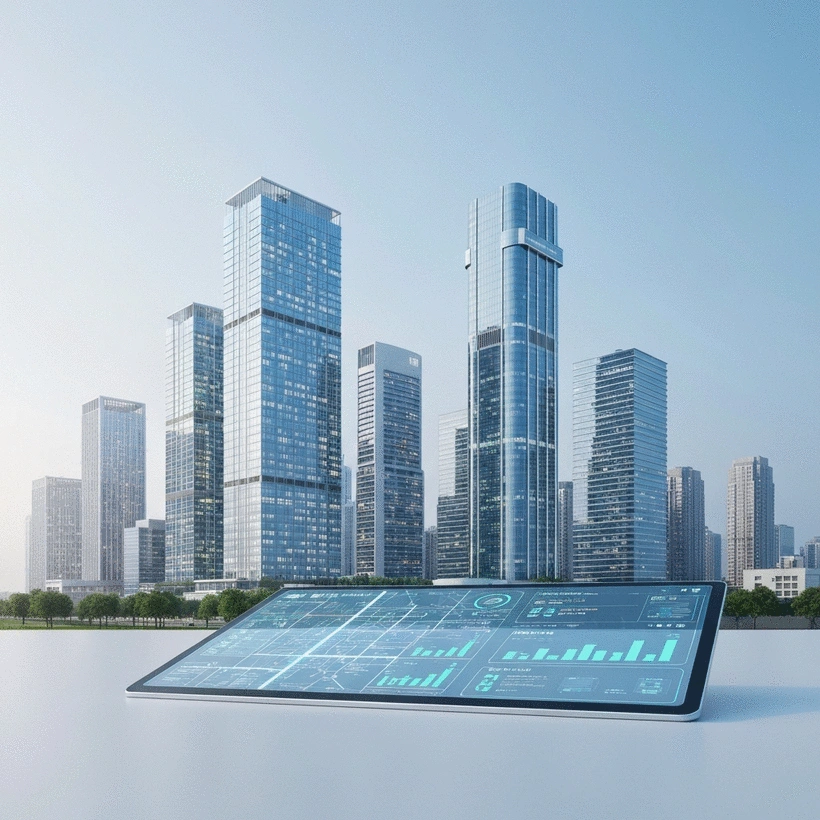
As urban landscapes continue to evolve, the integration of artificial intelligence (AI) is not just a trend—it's a transformation that redefines how we engage with real estate. Understanding its implications can empower you to make more informed decisions in a rapidly changing market.
What You Will Learn
- AI in Property Valuation: Discover how Automated Valuation Models (AVMs) enhance accuracy and efficiency in property assessments.
- Generative AI Innovations: Learn how generative AI enables custom designs and rapid prototyping in urban development, improving tenant experiences.
- Big Data Insights: Understand the role of big data and machine learning in identifying market trends and investment opportunities.
- AI-Driven Infrastructure: Explore how AI can enhance urban living by creating sustainable and responsive environments.
- Community Impact: Analyze how AI helps understand social trends like gentrification, aiding equitable urban development.
AI's Transformative Impact on Urban Real Estate
AI is revolutionizing urban real estate by enhancing efficiency, sustainability, and decision-making across key areas. From predictive analytics to generative design, these advancements are shaping a more connected and responsive market.
AI's Core Impact Areas
Property Valuation & Management
- ✓ Automated Valuation Models (AVMs)
- ✓ Predictive Maintenance
- ✓ Enhanced Data Analysis
Streamlines assessments for efficiency.
Generative AI in Design & Marketing
- ✓ Custom Design Solutions
- ✓ Rapid Prototyping
- ✓ Targeted Marketing Tools
Fuels creativity and efficiency in development.
Big Data & Machine Learning Benefits
- ✓ Market Trend Analysis
- ✓ Risk Assessment
- ✓ Consumer Behavior Insights
Informs smarter investment decisions.
AI & Urban Renewal Insights
- ✓ Displacement Risk ID
- ✓ Demographic Shift Analysis
- ✓ Equitable Development Practices
Balances growth with community well-being.
Understanding the Role of AI in Urban Real Estate Transformation
As urban professionals and aspiring investors, it's essential to understand how artificial intelligence (AI) is reshaping the real estate landscape. The integration of AI technologies is not just a trend; it's a revolution that streamlines processes and enhances decision-making in metropolitan areas. From property valuation to management, AI is paving the way for a more efficient, transparent, and data-driven real estate market. Indeed, the application of AI is fundamentally transforming various aspects of real estate, from how properties are valued to how urban spaces are designed and managed.
By exploring the various applications of AI, we can better equip ourselves with the tools necessary for navigating this dynamic sector. Let’s dive into how AI is transforming urban real estate!
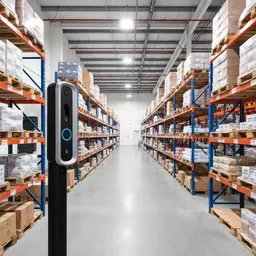
How AI Is Shaping Property Valuation and Management
One of the most significant impacts of AI in real estate is seen in property valuation and management. The automation of these processes leads to remarkable efficiency gains, allowing for quicker and more accurate assessments. Here are a few ways AI is making waves:
- Automated Valuation Models (AVMs): Utilizing algorithms to assess property values based on a multitude of factors.
- Predictive Maintenance: AI analyzes data from property management systems to anticipate maintenance needs before they become urgent.
- Enhanced Data Analysis: AI tools can interpret vast amounts of data, revealing trends and insights that human analysts might miss.
The future of property management looks promising with these advancements. As AI technology continues to evolve, we can expect even more innovative solutions that streamline operations and optimize property value. For a deeper understanding of the academic and practical applications of AI in real estate, a bibliometric and case study analysis offers further insights into its growing role.
Generative AI: Innovations in Urban Real Estate Design
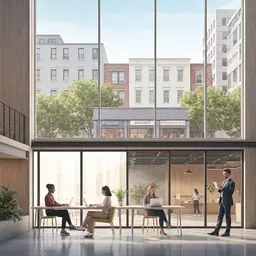
Generative AI is pushing the envelope in urban property design and marketing strategies. This technology allows architects to create unique designs tailored to specific project requirements. Here are a few key features:
- Custom Design Solutions: Investors can leverage generative AI to create layouts that maximize space and enhance tenant experiences.
- Rapid Prototyping: Generative AI enables quick iterations on design concepts, helping stakeholders visualize projects faster.
- Targeted Marketing Tools: AI-driven insights help tailor marketing strategies to attract potential buyers or renters effectively.
With generative AI leading the charge, we’re witnessing a new era of creativity and efficiency in urban development. This technology not only benefits design professionals but also empowers investors to make informed decisions based on innovative approaches.
The Role of Big Data and Machine Learning in Real Estate
Big data and machine learning are essential components that enhance real estate decision-making processes. By analyzing vast datasets, AI algorithms can identify patterns that inform market analysis and investment strategies. Key benefits include:
- Market Trend Analysis: AI tools assess historical data to forecast market movements and investment opportunities.
- Risk Assessment: Machine learning can evaluate potential risks associated with property investments, helping investors mitigate losses.
- Consumer Behavior Insights: Understanding tenant preferences through data helps in creating properties that meet market demands.
As technology continues to advance, embracing big data and machine learning will be crucial for success in the competitive urban real estate sector. It’s about making smarter decisions that align with the ever-evolving landscape of metropolitan living.
AI-Driven Infrastructure: The Future of Urban Living
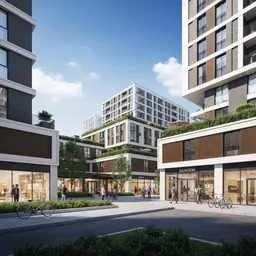
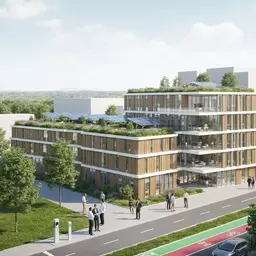
As we look towards the future of urban living, AI-driven infrastructure is set to revolutionize how we interact with our environments. The fusion of technology with urban planning will enhance the quality of life in cities and create more sustainable developments. For instance, AI is significantly impacting cities by enabling smarter infrastructure, efficient resource management, and more responsive urban services.
Pro Tip
To maximize the benefits of AI in your urban real estate investments, consider integrating AI-powered tools for market analysis and property management. These tools not only streamline operations but also provide valuable insights that can help you stay ahead of market trends. By leveraging AI, you can enhance decision-making and ultimately increase your investment returns.
Frequently Asked Questions About AI in Urban Real Estate
What is the primary impact of AI on urban real estate?
AI is transforming urban real estate by enhancing efficiency, sustainability, and decision-making across key areas such as property valuation, design, and market analysis. It streamlines processes and provides data-driven insights for a more connected and responsive market.
How does AI contribute to property valuation?
AI utilizes Automated Valuation Models (AVMs) and enhanced data analysis to assess property values more accurately and efficiently. It can interpret vast amounts of data to reveal trends and insights that human analysts might miss, leading to quicker and more precise assessments.
What role does generative AI play in urban real estate design?
Generative AI enables architects and developers to create custom design solutions and perform rapid prototyping. This technology helps stakeholders visualize projects faster and allows for the creation of layouts that maximize space and enhance tenant experiences.
How do big data and machine learning benefit real estate investors?
Big data and machine learning provide crucial insights for market trend analysis, risk assessment, and understanding consumer behavior. By analyzing extensive datasets, AI algorithms can forecast market movements, evaluate potential investment risks, and help create properties that meet market demands, leading to smarter investment decisions.
Can AI help address social issues like gentrification in urban development?
Yes, AI plays a crucial role in understanding complex social phenomena like gentrification and urban renewal. By analyzing vast amounts of data, AI can identify areas at risk of displacement, analyze demographic shifts, and provide insights into equitable development practices, helping urban planners and community leaders make informed decisions that balance growth with community well-being.
Summarizing the Impact of AI on Urban Real Estate
As we’ve explored the transformative capabilities of AI in urban real estate, it’s clear that technology is not merely a trend, but a foundational element reshaping the landscape. From smart buildings to predictive analytics, AI is enhancing efficiency, sustainability, and decision-making in profound ways. The integration of these innovations fosters a more connected and responsive real estate environment, which is essential for modern urban living.
Key insights from our discussion include how AI optimizes property valuation, revolutionizes design with generative tools, and leverages big data to inform investment strategies. With these advancements, urban professionals can harness data-driven insights to navigate the complexities of the real estate market.
Engaging with the Future of Urban Real Estate
As urban professionals and aspiring investors, it's vital to consider the implications of AI in your own strategies. How can these technologies shape your investment decisions? Embracing AI means being proactive about understanding the tools available at your disposal. Here are a few ways to engage:
- Stay updated on AI innovations in real estate.
- Consider how AI can enhance your property management strategies.
- Utilize predictive analytics for smarter investment decisions.
By actively engaging with these technologies, you're not only setting yourself up for success but also taking advantage of the numerous opportunities that urban real estate offers. Let's embrace the future with an open mind and a readiness to adapt!
Join the Conversation
I’d love to hear your thoughts and experiences regarding AI in urban real estate. How do you see AI impacting your investments? Sharing our insights can help us all navigate this rapidly changing landscape effectively. Join the conversation by commenting below!
Creating a community dialogue is essential as we explore these technologies together. Your experiences and insights can provide valuable perspectives that benefit everyone involved in urban real estate.
Understanding Gentrification and Urban Renewal Through AI Insights
AI also plays a crucial role in understanding complex social phenomena like gentrification and urban renewal. By analyzing vast amounts of data, AI can reveal patterns and trends that inform stakeholders about the impacts of development. Here are several ways AI can aid in these critical discussions:
- Identifying areas at risk of displacement due to rising property values.
- Analyzing demographic shifts to understand community needs.
- Providing insights into equitable development practices.
Incorporating AI insights into these conversations allows urban planners, investors, and community leaders to make informed decisions that balance growth with community well-being. Let's leverage technology to foster urban spaces that thrive for all residents!
Recap of Key Points
Here is a quick recap of the important points discussed in the article:
- AI's Impact on Property Valuation: Automation through AI leads to quicker and more accurate property assessments.
- Generative AI for Design: This technology allows for custom design solutions and rapid prototyping, enhancing urban property development.
- Big Data and Machine Learning: These tools provide critical insights for market trend analysis, risk assessment, and understanding consumer behavior.
- Engagement with AI: Urban professionals should stay updated on AI innovations and utilize predictive analytics for smarter investment decisions.
- AI in Gentrification and Urban Renewal: AI helps analyze data to understand community needs and potential displacement risks.