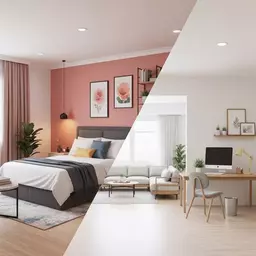
Mixed-Use Developments: Trends and Insights
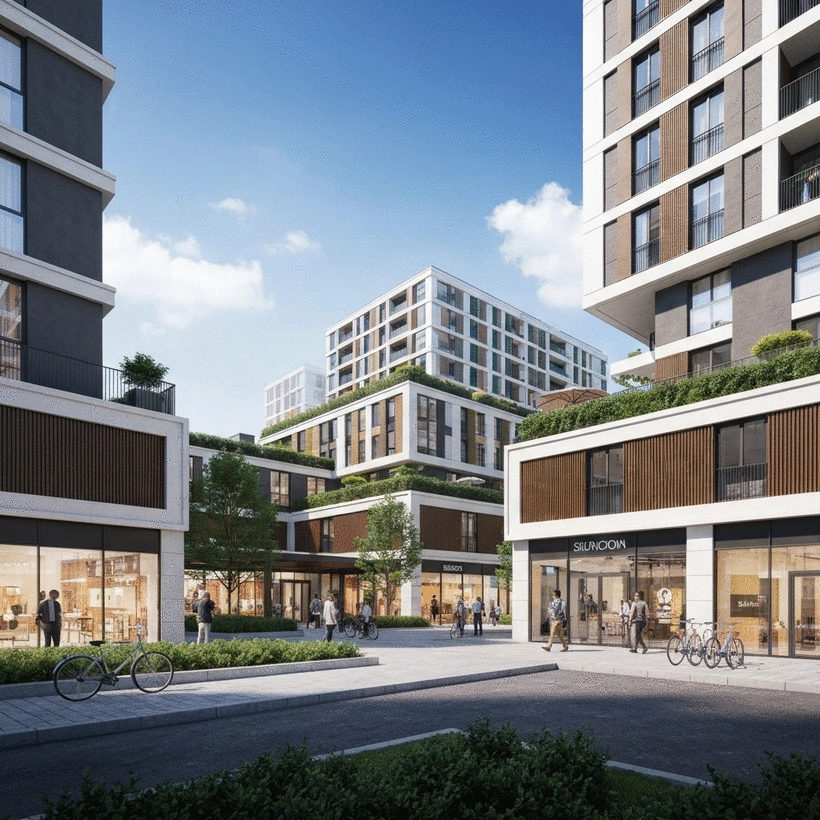
What if your next big investment lies in a space where people live, work, and play all in one? Mixed-use developments are transforming urban landscapes, creating vibrant communities while maximizing investment opportunities. Here’s your chance to dive into the future of real estate.
What You Will Learn
- Mixed-use developments blend residential, commercial, and recreational spaces, fostering vibrant communities.
- The popularity of these developments is driven by urban dwellers seeking convenience, economic benefits, and community engagement.
- Understanding mixed-use zoning can simplify the development process and enhance neighborhood livability.
- Future trends include a focus on flexibility, integration of green spaces, and technological advancements in mixed-use designs.
- Demographic changes, such as preferences of Millennials and Gen Z, are influencing the demand for mixed-use spaces.
- Evaluating investment opportunities requires assessing location, market demand, and developer track records.
- Public-private partnerships play a crucial role in enhancing urban revitalization through mixed-use projects.
Projected Trends for Mixed-Use Developments by 2026
The following visual summarizes key trends and factors influencing mixed-use developments, including future projections, the impact of demographic shifts, and how workspaces are adapting to new lifestyle trends.
Projections for 2026: Investment Models
Future mixed-use developments will focus on flexibility, green spaces, smart technology integration, and community engagement to meet evolving market demands.
Demographic Shifts Impact
- Millennials & Gen Z: Demand for walkable neighborhoods, convenience, and lifestyle balance.
- Aging Population: Need for accessibility and health-related services.
- Work from Home: Impact on design and layout for remote work.
Adapting for New Lifestyle Trends
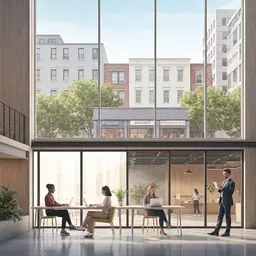
- Flexible Workspaces: Integration of co-working areas.
- Community Amenities: On-site cafes and gathering spaces.
- Health & Wellness: Gyms, walking paths, and wellness programs.
The Evolution of Mixed-Use Developments in Real Estate
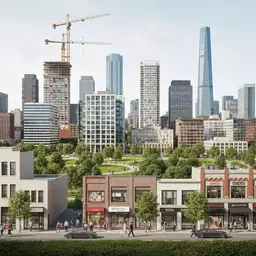
Mixed-use developments have become a cornerstone of modern urban real estate. They blend residential, commercial, and recreational spaces into cohesive communities, offering residents a vibrant lifestyle without the need for long commutes. This evolution reflects a shift in how we view urban living—moving from separated spaces to integrated environments that foster community and convenience.
At Urban Property Insights, we recognize the significance of these developments in shaping metropolitan landscapes. As an urban professional or aspiring investor, understanding mixed-use properties can unlock new investment opportunities and enhance your portfolio.
Understanding Mixed-Use Developments: Definition and Scope
Mixed-use developments are typically defined as properties that integrate various types of uses within a single site. These can include combinations of:
- Residential units
- Retail spaces
- Office environments
- Entertainment venues
The scope of mixed-use developments goes beyond just physical integration; it encompasses creating a community where residents can live, work, and play. This approach not only enhances the quality of life but also contributes to the economic vitality of urban areas, as highlighted in a report by NAIOP, which emphasizes why mixed-use spaces are the future of retail.
Key Factors Driving the Popularity of Mixed-Use Developments
Several factors have contributed to the rising popularity of mixed-use developments in urban settings. Here are a few key drivers to consider:
- Increased Demand: Urban dwellers increasingly seek convenience and accessibility.
- Economic Benefits: Developers can maximize property usage, enhancing the return on investment.
- Community Engagement: These developments promote social interactions and foster a sense of belonging.
- Sustainability Goals: Mixed-use designs often include green spaces and energy-efficient technologies.
By blending these elements, mixed-use developments not only meet the demands of modern living but also contribute positively to the urban fabric.
The Role of Mixed-Use Zoning in Urban Development
Mixed-use zoning plays a crucial role in facilitating the growth of these developments. This type of zoning allows for a variety of uses in a specific area, which can significantly simplify the development process. Here are some benefits of mixed-use zoning:
- Encourages diverse development projects
- Reduces the need for extensive land use changes
- Enhances the overall livability of neighborhoods
As an urban professional, understanding the implications of mixed-use zoning can help you identify promising investment properties. It’s vital to stay updated on local regulations and community plans, as these factors can influence the future success of your investments. For more detailed information, a Mixed-Use Development Study by Montgomery Planning offers valuable insights.
Pro Tip
As you explore mixed-use development opportunities, consider the importance of community feedback. Engaging with local residents and stakeholders can provide invaluable insights into what amenities and services are truly needed, ensuring your investment meets the demands of the community while maximizing its potential for success.
Future Trends in Mixed-Use Developments: What to Expect
As we look toward the future, the landscape of mixed-use developments is poised for significant transformation. By 2026, we can anticipate several exciting trends that will reshape urban spaces and investment models. Understanding these shifts will help us as urban professionals and aspiring investors make informed decisions about where to place our resources.
One of the key trends to watch is the changing investment models that will adapt to meet market needs. The flexibility of mixed-use properties will be essential in accommodating diverse tenants and optimizing revenue streams. Wouldn't it be great to stay ahead of the curve?
Projections for 2026: Investment Models and Market Adaptability
The real estate market is constantly evolving, and mixed-use developments are at the forefront of this change. Here are some projected trends for 2026:
- Increased Emphasis on Flexibility: Developers will focus on creating adaptable spaces that can shift based on demand.
- Integration of Green Spaces: The incorporation of parks and gardens into mixed-use projects will enhance community appeal.
- Technological Integration: Smart technologies will become standard, improving both tenant experience and operational efficiency.
- Focus on Community Engagement: More developments will prioritize community involvement, ensuring they meet local needs.
By keeping an eye on these trends, we can position ourselves to capitalize on future opportunities. Staying informed is essential for making sound investment decisions. The Emerging Trends in Real Estate 2026 report by ULI and PwC provides comprehensive insights into these projections.
The Impact of Demographic Changes on Mixed-Use Developments
Demographic shifts are playing a significant role in shaping the future of mixed-use developments. As urban populations grow and diversify, the demand for specific amenities and community features will evolve:
- Millennials and Gen Z Preferences: Younger generations are gravitating toward walkable neighborhoods that offer convenience and lifestyle balance.
- Increased Aging Population: Developments that cater to older adults will need to incorporate accessibility and health-related services.
- Work from Home Trends: Spaces that facilitate remote work will become essential, impacting design and layout decisions.
Understanding these demographics is crucial as we strategize our investments. Meeting the needs of these groups will be key to long-term success!
Future of Work: Adapting Mixed-Use Spaces for New Lifestyle Trends
As remote work becomes more prevalent, mixed-use spaces must adapt to accommodate new lifestyle trends. Here are some important considerations:
- Flexible Workspaces: Incorporating co-working areas within mixed-use developments will allow for diverse working styles.
- Community Amenities: Offering on-site cafes and gathering spaces fosters connections among residents and visitors.
- Health and Wellness Features: Gyms, walking paths, and wellness programs will attract tenants focused on healthy living.
By embracing these lifestyle changes, we can ensure that our investments remain relevant and appealing in the years to come. Let's stay proactive and adapt to these evolving demands!
Engaging with Mixed-Use Development Opportunities
As we explore the landscape of mixed-use developments, it’s vital to engage with the opportunities that arise from them. Identifying successful models and understanding how to evaluate these projects can enhance our investment strategies.
Frequently Asked Questions About Mixed-Use Developments
- What exactly are mixed-use developments?
- Mixed-use developments integrate residential, commercial, and recreational spaces within a single site, creating cohesive communities where people can live, work, and play.
- Why are mixed-use developments becoming so popular?
- Their popularity is driven by urban dwellers' demand for convenience, accessibility, economic benefits for developers, enhanced community engagement, and alignment with sustainability goals.
- How does mixed-use zoning affect urban development?
- Mixed-use zoning facilitates diverse development projects, reduces the need for extensive land use changes, and enhances the overall livability of neighborhoods by allowing various uses in one area.
- What are the key trends projected for mixed-use developments by 2026?
- Key trends include increased emphasis on flexibility, integration of green spaces, smart technology, and a focus on community engagement to meet evolving market demands.
- How do demographic shifts impact mixed-use developments?
- Demographic shifts, such as the preferences of Millennials and Gen Z for walkable neighborhoods and the aging population's need for accessibility, influence the design and amenities required in these developments.
- What should I consider when evaluating investment opportunities in mixed-use projects?
- Key factors include location, market demand for different space types, the developer's track record, and the project's sustainability features.
- What role do public-private partnerships play in mixed-use developments?
- Public-private partnerships are crucial for urban revitalization efforts, offering shared resources, fostering community engagement, and mitigating risks through collaborative funding and support.
Case Studies: Successful Mixed-Use Developments and Their ROI
Analyzing successful mixed-use developments can provide valuable insights into what works in the market. Here are a few notable examples:
- The High Line, New York City: This transformed railway track features parks, housing, and commercial spaces, boosting local property values.
- Union Station, Denver: A historic hub that combines transportation, dining, and retail, leading to significant revenue growth.
- Eastside Village, Austin: This project integrates residential living with retail and office spaces, creating a vibrant community atmosphere.
Each of these case studies illustrates the potential for return on investment when mixed-use developments are thoughtfully designed and executed. Learning from their success can inform our own decisions in this space.
How to Evaluate Investment Opportunities in Mixed-Use Projects
When considering investments in mixed-use developments, it's crucial to evaluate potential projects carefully. Here are some key factors to consider:
- Location: Assess the neighborhood's growth potential and accessibility.
- Market Demand: Research the demand for residential, retail, and office spaces in the area.
- Developer Track Record: Look into the history of the developers involved in the project.
- Sustainability Features: Evaluate how well the project aligns with current sustainability practices.
By focusing on these criteria, we can make informed investment decisions that will set us up for success in the mixed-use market.
Exploring Public-Private Partnerships in Urban Revitalization Efforts
Public-private partnerships (PPPs) are essential in driving mixed-use development projects. These collaborations can significantly enhance urban revitalization efforts. Benefits of PPPs include:
- Shared Resources: Combining public and private financing can lead to more robust project funding.
- Community Engagement: These partnerships often foster greater community input and support.
- Risk Mitigation: Sharing risks between public and private entities can make projects more viable.
Engaging in these partnerships can help us find mutually beneficial solutions for urban challenges, leading to successful developments.
Conclusion: Embracing the Rise of Mixed-Use Developments
As we conclude this exploration of mixed-use developments, it's clear that their rise offers exciting investment potential. By staying attuned to trends and understanding the dynamics at play, we can make informed choices that pave the way for future success.
Final Thoughts on Trends and Investment Potential
In the ever-changing landscape of urban real estate, we must embrace the rise of mixed-use developments as a critical opportunity for growth. The potential for increased revenue streams and community engagement makes these projects attractive for urban professionals and investors alike.
Call to Action: Exploring Opportunities in Your Area
Are you ready to dive into the world of mixed-use developments? Start exploring opportunities in your area today! With a little research and curiosity, you can capitalize on these exciting trends and make informed property decisions that align with your goals.
Recap of Key Points
Here is a quick recap of the important points discussed in the article:
- Definition of Mixed-Use Developments: Properties that integrate residential, retail, office, and entertainment spaces.
- Key Drivers of Popularity: Increased demand for convenience, economic benefits, community engagement, and sustainability goals.
- Importance of Mixed-Use Zoning: Facilitates diverse development, reduces land use changes, and enhances neighborhood livability.
- Future Trends: Emphasis on flexibility, integration of green spaces, technological advancements, and community engagement.
- Demographic Changes: Shift in preferences among younger generations and the aging population impacting development needs.
- Evaluation Criteria: Consider location, market demand, developer track record, and sustainability features when assessing investment opportunities.