Understanding Architect Site Measurement
In a world where first impressions matter, your website's architecture can be the difference between a potential client engaging with your work or clicking away in frustration. Understanding the nuances of site architecture SEO is not just beneficial—it’s essential for architects looking to thrive online.
Site Measure - What You Will Learn
- Site architecture significantly influences both user experience and search engine optimization, making it a critical component for any architect's website.
- A well-structured website enhances crawlability, ensuring that search engines can index your content effectively.
- Key metrics like organic traffic, bounce rate, and conversion rate are essential to monitor for continuous improvement in site performance.
- Internal linking is a powerful tool to boost SEO and guide visitors to explore more of your content.
- Incorporating building measurement and site analysis into your content can attract a niche audience and establish credibility.
Key Metrics for Architect Website Performance
Tracking essential metrics ensures your architectural website remains effective and competitive in the digital landscape.
Essential Metrics for Continuous Improvement
- Organic Traffic: Number of visitors from search results.
- Bounce Rate: Indicates visitor engagement (lower is better).
- Average Session Duration: Time visitors spend on site.
- Conversion Rate: Percentage completing desired actions.
- Page Load Time: Website speed for better engagement & SEO.
Specific Measures for Architects
- Search Engine Rankings: For relevant key terms.
- Click-Through Rates (CTR): Effectiveness of titles & descriptions.
- Indexed Pages: Ensuring all critical content is visible to search engines.
Interactive Tools for Site Audits
- Google Search Console: Crawl issues & site performance.
- Screaming Frog SEO Spider: Broken links & duplicate content.
- Ahrefs: Backlink analysis & keyword tracking.
- SEMrush: Competitor analysis & performance tracking.
Understanding Site Architecture SEO for Architects
As urban professionals and aspiring investors, understanding site architecture SEO is crucial for architects and firms looking to enhance their online visibility. But what exactly is site architecture? In simple terms, it refers to the structured layout of a website, encompassing how the pages are organized, linked, and navigated. This organization is essential because it not only affects how search engines crawl and index your site but also impacts user experience. A well-structured site can lead to higher rankings, which translates to increased traffic and potential clients.
Just think about it: a user searching for an architect's services is likely to feel frustrated if they cannot easily find the information they need. This is where effective site architecture comes into play. It helps to create a seamless navigation experience, guiding visitors through your portfolio and services effortlessly.
What is Site Architecture and Why is it Essential?
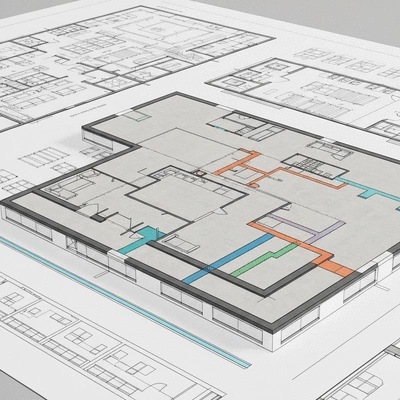
Site architecture serves as the foundation of your website's SEO strategy. It determines how content is organized and how easily search engines can access it. Here are a few reasons why it's essential:
- Improved Crawlability: A clear structure helps search engines index your pages effectively.
- Enhanced User Experience: Easy navigation keeps visitors engaged and reduces bounce rates.
- Higher Conversion Rates: By guiding users to key information, you increase the chances of converting visitors into clients.
By focusing on site architecture, architects can ensure that their websites are not only optimized for search engines but also user-friendly, which is vital in today’s competitive market.
Key Elements of Effective Site Architecture
To achieve effective site architecture, certain key elements must be prioritized. Here are the essential components to consider:
- Crawl Depth: This refers to how deep a search engine must go within your site's structure to find information. Shallower structures are typically better as they allow for easier access.
- Internal Linking: Strategic internal links not only help with SEO but also guide users to related content, enhancing their journey.
Crawl Depth and Its Impact on SEO
Crawl depth is a significant factor in how search engines interpret your site. Ideally, important pages should be accessible within three clicks from the homepage. This ensures that search engines can index them quickly, improving your basic SEO.
Think about it—when you make your key pages easily reachable, you’re not just aiding search engines but also providing a better experience for your visitors. They’ll appreciate the straightforward access and are more likely to stay on your site longer!
Importance of Internal Linking in Architect Websites
Internal linking acts like a roadmap for both users and search engines. By creating links between related pages, you guide visitors to explore more of your content. This approach can significantly enhance user engagement, leading to longer visit durations and lower bounce rates.
For architects, this means linking from project pages to blog posts discussing design processes or case studies. It's a smart way of showcasing your expertise while also benefiting your overall site SEO.
Integrating Building Measurement and Site Analysis into Your SEO Strategy
One often overlooked aspect is the integration of building measurement and site analysis into your SEO strategy. These elements can enrich your content, making it not only relevant but also unique. By including case studies that highlight specific measurements and analyses, you can attract a niche audience that values detailed insights.
Additionally, showcasing your process in these areas can establish credibility and trust, essential factors in converting website visitors into loyal clients.
Pro Tip
To further enhance your site's architecture, consider implementing breadcrumb navigation. This not only improves user experience by providing clear pathways back to previous pages but also helps search engines understand your site's structure better. By making it easier for visitors to navigate, you decrease bounce rates and increase the likelihood of conversions!
Frequently Asked Questions about Architect Website SEO
- What is site architecture SEO?
- Site architecture SEO refers to the structured layout of a website, including how pages are organized, linked, and navigated. It influences how search engines crawl and index your site, as well as the user experience.
- Why is site architecture important for architects?
- Effective site architecture is crucial for architects because it improves crawlability, enhances user experience by making navigation easy, and leads to higher conversion rates by guiding visitors to key information. This ultimately results in better search engine rankings and more potential clients.
- What are the key elements of effective site architecture?
- The key elements include crawl depth (how easily search engines can find important pages, ideally within three clicks from the homepage) and internal linking (strategic links between related pages to guide users and search engines).
- Which metrics should architects monitor for website performance?
- Architects should monitor organic traffic, bounce rate, average session duration, conversion rate, page load time, search engine rankings for relevant keywords, click-through rates (CTR), and the number of indexed pages.
- What tools can help audit an architect's website architecture?
- Useful tools for auditing site architecture include Google Search Console (for crawl issues), Screaming Frog SEO Spider (for broken links and duplicate content), Ahrefs (for backlink analysis and keyword tracking), and SEMrush (for competitor analysis and performance tracking).
- How can building measurement and site analysis be integrated into an SEO strategy?
- By including case studies that highlight specific building measurements and site analyses within your content, you can attract a niche audience and establish credibility. Showcasing your process in these areas builds trust and helps convert visitors into clients.
Summarizing Key Takeaways for Effective Architect Site Measures
As we dive into the world of site architecture SEO, it's essential to remember the metrics that can significantly influence your architectural website’s performance. Tracking the right metrics not only helps identify areas for improvement but also ensures that you're staying on top of your game in a rapidly evolving digital landscape.
Here are some essential metrics to monitor for continuous improvement:
- Organic Traffic: Keep an eye on the number of visitors arriving at your site through organic search results.
- Bounce Rate: A high bounce rate can indicate that visitors are not finding what they expected.
- Average Session Duration: This metric shows how long visitors stay on your site, providing insight into content engagement.
- Conversion Rate: Measure how many visitors complete desired actions, such as filling out a contact form or requesting a quote.
- Page Load Time: Ensure your website loads quickly to keep users engaged and improve SEO rankings.
Staying on top of these metrics can provide valuable insights, allowing you to make informed decisions about your site architecture and overall strategy.

Essential Metrics to Monitor for Continuous Improvement
In addition to the general metrics mentioned, there are specific measures that architects should focus on to ensure their website effectively serves its purpose. Regularly reviewing these metrics can highlight both strengths and weaknesses in your site’s performance.
- Search Engine Rankings: Track where your pages rank for key terms relevant to your architectural services.
- Click-Through Rates (CTR): Analyzing the percentage of users who click on your site after seeing it in search results can inform the effectiveness of your titles and meta descriptions.
- Indexed Pages: Ensure all critical pages are indexed and that no important content is left out.
By keeping tabs on these metrics, you empower yourself to make strategic adjustments and enhance your site's visibility and user experience.
Interactive Tools to Enhance Your Site Architecture Audit
To conduct a comprehensive audit of your site’s architecture, using the right tools can make a significant difference. In my experience at Urban Property Insights, I’ve found that the following interactive tools can help streamline the audit process and uncover valuable insights:
- Google Search Console: Offers insights into how Google views your site and identifies crawl issues.
- Screaming Frog SEO Spider: A powerful tool for crawling your site to identify broken links, duplicate content, and more.
- Ahrefs: An excellent resource for backlink analysis and keyword tracking.
- SEMrush: Provides comprehensive SEO tools that can help analyze your competition and track your performance.
Integrating these tools into your workflow can not only enhance your site architecture but also ensure you remain competitive in the architectural landscape.
Taking Action: Implementing Best Practices for Your Architect Website
Now that we have covered the fundamentals of monitoring key metrics and utilizing interactive tools, it’s time to put that knowledge into action. Here are some steps to enhance your site architecture today:
Steps to Enhance Your Site Architecture Today
- Conduct a Full Audit: Use the tools mentioned above to identify issues and areas for improvement.
- Revise Content Structure: Ensure your site’s structure is intuitive and easy to navigate.
- Optimize Internal Linking: Create a robust internal linking strategy to enhance user navigation and SEO.
- Focus on Page Speed: Optimize images and scripts to improve load times.
Implementing these steps can yield quick wins for your site’s performance. Remember, taking action now will lead to long-term benefits!
Engaging with the Architecture Community for Ongoing Learning
In the ever-changing world of architecture and SEO, continuous learning is vital. Engaging with your community can offer new perspectives and insights. Consider the following:
- Participate in Online Forums: Join architecture and SEO groups on platforms like LinkedIn and Reddit.
- Attend Webinars and Workshops: Keep an eye out for events that focus on SEO strategies specific to architecture.
- Network with Local Professionals: Building relationships with other architects can lead to valuable collaborations and knowledge sharing.
By actively participating in the architecture community, you can stay updated on best practices and emerging trends that could benefit your website.
Understanding Regulatory Compliance in Site Logistics for SEO Success
Finally, it’s crucial to recognize the role of regulatory compliance in your site architecture for SEO success. Adhering to regulations not only builds trust but also helps avoid penalties from search engines. Here are some key points to consider:
- ADA Compliance: Ensure your website is accessible to all users, including those with disabilities.
- GDPR Regulations: Be aware of data protection standards applicable to your audience.
- Local Zoning Laws: Understand how local regulations can affect your architectural services and site content.
By ensuring compliance, you enhance your credibility and improve your site's standing with search engines, ultimately leading to better visibility and user trust.
Recap of Key Points
Here is a quick recap of the important points discussed in the article:
- Understanding Site Measure: A well-structured site layout enhances both SEO and user experience, leading to higher rankings and increased traffic.
- Key Elements: Focus on crawl depth and internal linking to improve site accessibility and user navigation.
- Metrics to Monitor: Track organic traffic, bounce rate, average session duration, conversion rate, and page load time for continuous improvement.
- Utilize Interactive Tools: Tools like Google Search Console and Screaming Frog can streamline your site architecture audits and identify issues.
- Regulatory Compliance: Ensure compliance with regulations such as ADA and GDPR to enhance credibility and avoid penalties.