Urban Demand for Sustainable Homes
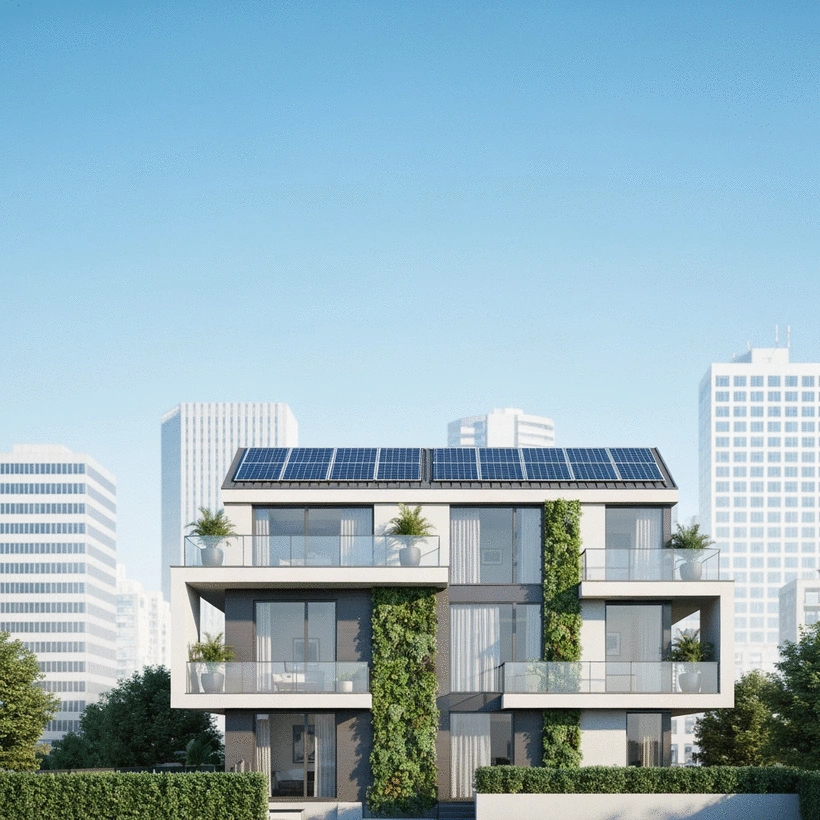
The demand for sustainable homes is not just a passing trend; it's increasingly seen as a vital investment for the future. With younger generations prioritizing eco-friendliness in their living choices, understanding the nuances of this shift can empower you as a savvy investor. How can you leverage these insights for your next property decision?
What You Will Learn
- The rising demand for sustainable homes is influenced by factors like climate concerns and urban policies.
- Millennials and Gen Z are leading the charge for eco-friendly housing, valuing sustainability in their purchases.
- Innovative technologies, such as solar panels and smart thermostats, significantly enhance a home's energy efficiency.
- Understanding energy audits and proper insulation can improve home efficiency and reduce utility costs.
- Community solar initiatives are making renewable energy more accessible and encouraging collective sustainability efforts.
- Investing in properties with sustainable features not only aligns with personal values but also enhances long-term portfolio value.
Key Drivers and Features of Sustainable Homes
The visual below highlights the primary factors driving the demand for sustainable housing and the innovative features defining energy-efficient homes.
Growing Demand Factors
- Rising energy prices: Seek energy-efficient solutions.
- Urban policies: Favor sustainable developments.
- Climate awareness: Impact on living conditions.
Demographic Drivers
- Millennials: Focus on sustainability & energy efficiency.
- Gen Z: Demand transparency from developers.
- Higher-income: Invest in green technologies.
Innovative Technologies
- Solar panels: Harness natural energy.
- Smart thermostats: Regulate energy usage.
- Energy-efficient appliances: Reduce consumption.
Building & Design Principles
- Recycled materials: Reduce construction waste.
- Passive design: Utilize natural light and airflow.
- Green certifications: Validate eco-friendly practices.
Understanding the Shift to Sustainable and Energy-Efficient Homes
As an urban professional navigating the ever-evolving real estate landscape, I've witnessed a significant shift towards sustainable homes. This transformation is largely fueled by growing consumer preferences and heightened environmental concerns. More people are recognizing that living sustainably isn't just a trend; it's a necessary shift for our planet and future generations. By focusing on eco-friendly properties, we can all contribute to a healthier environment while also enjoying the benefits of energy efficiency.
Additionally, sustainable homes often incorporate advanced technologies that make living in urban areas more comfortable and affordable. I encourage you to explore these options if you're considering your next property investment!
The Growing Demand in Urban Real Estate
The demand for sustainable homes is surging, particularly among urban dwellers. Factors influencing this trend include the desire for lower utility bills and the appeal of living in eco-conscious communities. As future investors, understanding these market dynamics is crucial for making informed decisions about property investments.
- Rising energy prices prompting buyers to seek energy-efficient solutions
- Urban policies favoring sustainable developments
- Increasing awareness of climate change and its impact on living conditions
Ultimately, this growing demand creates a unique opportunity for investors to not only enhance their portfolios but also align their investments with their values. For further reading on the global demand for sustainable housing, you may find the UN-Habitat Annual Report 2023 insightful.
Demographic Drivers of Eco-Friendly Housing
Various demographic groups are leading the charge toward eco-friendly housing. Primarily, younger buyers, especially Millennials and Gen Z, show a strong inclination towards sustainable living. They prioritize environmental impact and are often willing to pay a premium for homes that reflect their values.
- Millennials: Focus on sustainability and energy efficiency
- Gen Z: Engaged in environmental activism and demand transparency from developers
- Higher-income households: More likely to invest in green technologies and energy-efficient upgrades
As urban professionals, it’s essential to recognize these trends, as they will shape the future of property investments. Delve deeper into the role of sustainable housing in urban development with insights from the Urban Institute's roadmap for affordable and stable housing.
Key Features That Define Sustainable and Energy-Efficient Homes
Innovative Technologies Enhancing Energy Efficiency
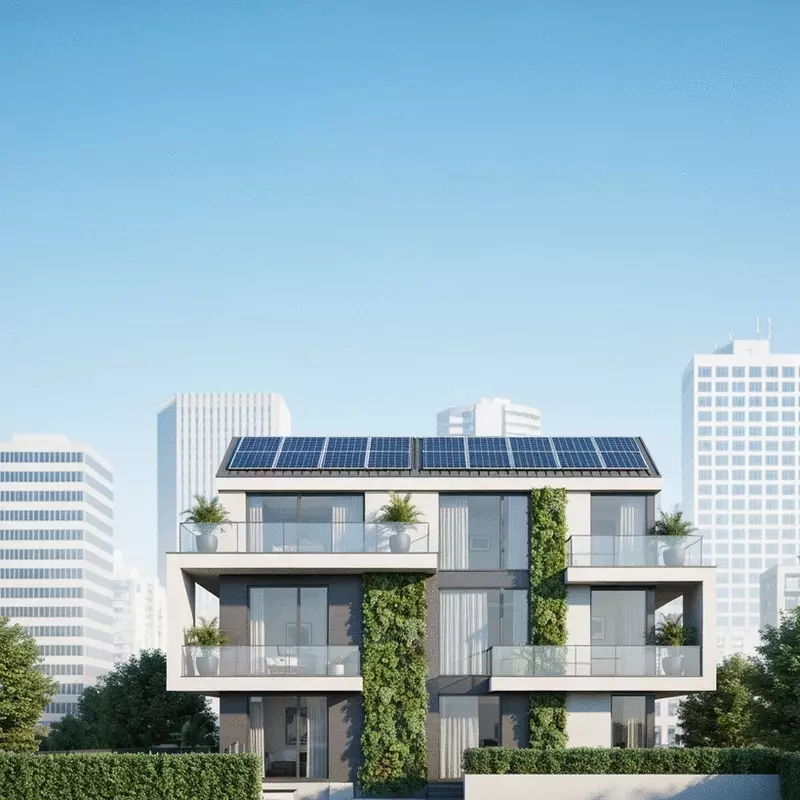
In the realm of sustainable homes, innovative technologies play a pivotal role. For instance, advancements in solar panels have made it easier for homeowners to generate their own energy. Additionally, energy-efficient appliances are becoming more accessible, helping reduce both environmental footprints and utility bills.
- Solar panels: Harnessing natural energy sources
- Smart thermostats: Regulating energy usage automatically
- Energy-efficient appliances: Reducing consumption without sacrificing performance
As a passionate advocate for urban living, I find it exciting to see how these technologies are reshaping our homes and communities!
Building Materials and Design Principles
The shift towards sustainability also encompasses the materials used in construction and the principles underlying designs. More builders are opting for sustainable materials that minimize environmental impact, such as recycled steel and bamboo. Furthermore, green building certifications like LEED and BREEAM ensure that homes meet rigorous environmental standards.
- Recycled materials: Reducing waste in construction
- Passive design: Utilizing natural light and airflow for energy savings
- Green certifications: Validating eco-friendly practices
For urban professionals eyeing investment opportunities, focusing on properties with these features can yield long-term benefits. More information on sustainable building practices can be found in the World Green Building Council's report on sustainable and affordable housing.
Exploring Energy Audits and Insulation Solutions
Energy audits are essential for assessing a home's efficiency. By identifying areas for improvement, homeowners can make informed decisions about upgrades. Proper insulation also plays a critical role in enhancing energy efficiency, reducing heating and cooling costs.
- Home energy audits: Comprehensive assessments to spot inefficiencies
- Insulation: Key to maintaining comfortable indoor temperatures
- Weatherization: Enhancing a home's resistance to air leaks
As you consider your real estate options, understanding these components will empower you to choose homes that are not only cost-effective but also environmentally friendly.
Community Solar and Shared Renewable Energy Resources
Community solar initiatives are emerging as a game changer in urban areas. These programs allow multiple households to benefit from a shared solar array, making renewable energy more accessible to all. Additionally, shared renewable energy resources contribute to broader energy efficiency efforts while fostering community engagement.
- Shared solar arrays: Reducing individual costs and increasing energy access
- Community involvement: Encouraging sustainable practices among residents
- Increased energy independence: Reducing reliance on traditional power sources
As you explore investments in the urban real estate market, keep an eye on properties that are part of such initiatives. They not only represent a sound investment but also support a collective movement towards sustainability.
Pro Tip
As you explore sustainable housing options, consider investing in properties that not only meet energy efficiency standards but also offer smart home technologies. These features can significantly enhance your living experience, reduce utility costs, and increase your property's value over time. Look for homes equipped with smart thermostats, energy-efficient appliances, and advanced insulation materials to maximize your investment.
Looking Ahead: The Future of Urban Real Estate
As we glance into the future of urban real estate, it becomes clear that the market for sustainable homes will evolve significantly over the next decade. Factors like climate change, urbanization, and shifting consumer preferences will shape this landscape. We can expect a greater emphasis on green building practices that not only reduce environmental impact but also enhance the quality of urban living.
One key trend is the increasing integration of sustainability into city planning. As urban areas continue to grow, developers and investors will prioritize eco-friendly solutions that meet the needs of a diverse population. This shift is not just about environmental responsibility; it's about creating livable, vibrant communities for future generations!
Long-Term Trends in Sustainable Housing
When we talk about long-term trends in sustainable housing, there are several factors to consider. Here are a few key trends that are likely to shape the future:
- Technological Advancements: Expect to see more innovative technologies like smart home systems that optimize energy use.
- Government Policies: Enhanced regulations and incentives will likely drive demand for eco-friendly homes.
- Consumer Awareness: As more people become conscious of their carbon footprints, the demand for sustainable homes will rise.
- Community Engagement: A growing movement towards local initiatives promoting sustainability will influence buyers' decisions.
These trends indicate that sustainable homes will not only become more mainstream but also essential for maintaining a resilient urban environment. As an urban professional, keeping an eye on these developments can position you to make informed investment decisions.
Preparing for Future Demands: What Buyers Should Know
For prospective buyers, understanding what to look for in sustainable homes is crucial. Here are some insights to consider:
- Energy Efficiency: Look for homes with high energy ratings and features like modern insulation and energy-efficient appliances.
- Sustainable Materials: Homes built from eco-friendly materials not only lessen the environmental impact but can also enhance longevity.
- Smart Technologies: Embrace homes equipped with smart systems that track and reduce energy usage.
- Community Features: Consider neighborhoods with shared green spaces and community solar initiatives.
By focusing on these aspects, you can ensure your investment aligns with both your personal values and market trends. Remember, buying a sustainable home isn't just a decision for today—it's an investment in the future!
Engaging with the Sustainable Housing Movement
How to Get Involved in Your Community
Engaging with the sustainable housing movement starts at the grassroots level. Here are some ways you can get involved in your community:
- Join Local Initiatives: Participate in community groups focused on sustainability and urban development.
- Attend Workshops: Look for workshops on green building practices or energy efficiency.
- Advocate for Change: Support local policies that promote sustainable housing and urban planning.
- Connect with Neighbors: Share ideas and resources with your community to foster a culture of sustainability.
By taking these steps, you can play an active role in shaping a more sustainable urban future and inspire others to do the same!
Call to Action: Making Informed Choices for a Sustainable Future
As we wrap up our discussion, I encourage you to consider your role in the sustainable housing movement. What steps can you take to support eco-friendly living? Share your thoughts and experiences with sustainable housing in the comments below! Remember, every small action counts in the bigger picture of urban sustainability.
Understanding the Role of Sustainable Communities in Urban Development
Sustainable communities are designed with a focus on enhancing urban biodiversity and improving overall quality of life. They aim to integrate green spaces, promote local businesses, and offer accessible public transportation options.
Key elements of these communities include:
- Green Spaces: Parks and community gardens provide habitats for wildlife and areas for residents to connect with nature.
- Walkability: Designing neighborhoods that are pedestrian-friendly promotes healthier lifestyles and reduces reliance on cars.
- Local Economy: Supporting local businesses fosters a sense of community and reduces environmental impact by decreasing transportation needs.
As we continue to build urban spaces, let's advocate for designs that prioritize sustainability and community well-being. Together, we can create urban environments that thrive today and into the future!
Frequently Asked Questions
- What drives the demand for sustainable homes?
- The demand for sustainable homes is driven by factors such as rising energy prices, urban policies favoring sustainable developments, and increasing climate awareness among consumers, particularly younger generations like Millennials and Gen Z.
- Which demographic groups are most interested in eco-friendly housing?
- Millennials and Gen Z are leading the demand, prioritizing sustainability and energy efficiency. Higher-income households also show a strong inclination to invest in green technologies and upgrades.
- What innovative technologies enhance energy efficiency in homes?
- Key technologies include solar panels for natural energy, smart thermostats for automated energy regulation, and energy-efficient appliances that reduce consumption without compromising performance.
- How do building materials and design principles contribute to sustainability?
- Sustainable homes utilize recycled materials to reduce construction waste and passive design principles to leverage natural light and airflow. Green certifications like LEED and BREEAM validate these eco-friendly practices.
- What role do energy audits and insulation play in home efficiency?
- Energy audits comprehensively assess a home's inefficiencies, guiding homeowners on necessary upgrades. Proper insulation and weatherization are crucial for maintaining stable indoor temperatures and reducing heating and cooling costs.
- What are community solar initiatives?
- Community solar initiatives allow multiple households to benefit from a shared solar array, making renewable energy more accessible and fostering collective sustainability efforts within a community.
- What long-term trends are expected in sustainable housing?
- Future trends include further technological advancements in smart home systems, enhanced government policies and incentives, increased consumer awareness of environmental impact, and greater community engagement in sustainable initiatives.
Recap of Key Points
Here is a quick recap of the important points discussed in the article:
- The shift towards sustainable homes is driven by consumer preferences and environmental concerns.
- Urban dwellers are increasingly seeking energy-efficient solutions, influenced by rising energy prices and eco-conscious communities.
- Younger generations, including Millennials and Gen Z, prioritize sustainable living and are willing to pay a premium for eco-friendly homes.
- Innovative technologies like solar panels and smart thermostats enhance energy efficiency in sustainable homes.
- Using sustainable materials and obtaining green building certifications are key features in the construction of eco-friendly homes.
- Energy audits and proper insulation are essential for assessing and improving a home's energy efficiency.
- Community solar initiatives are making renewable energy more accessible and fostering community engagement.
- Future trends indicate a growing emphasis on sustainability in urban planning and housing developments.